The Empty Seat With a Name: Memorial Benches and the Etiquette of Being Watched
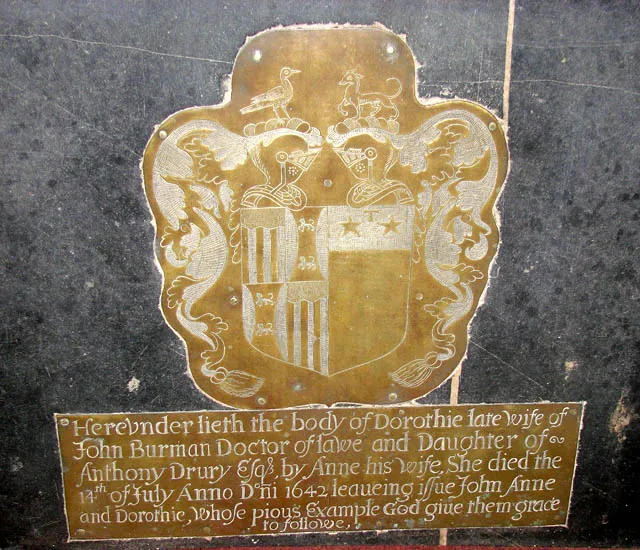
Photo: Evelyn Simak, CC BY-SA 2.0, via Wikimedia Commons
There is a bench on a promenade, or at the edge of a park, or on a rise above a cricket pitch, and it has a small brass plaque. The plaque gives a name, sometimes two, sometimes a date, sometimes a line of verse. It says, in effect: this seat was paid for by someone who wanted the dead to have a view. The bench is ordinary. It is also one of the most quietly eerie objects in British public life.
The Plaque as a Small Claim on Space
Memorial benches are a democratic form of afterlife. They do not require a family plot, a headstone or a faculty. They require a council form, a fee and a plaque. The inscription is usually brief because the space is small. 'In loving memory of...' is the common formula, followed by a name and dates. Sometimes there is a phrase: 'At peace', 'Always in our thoughts', 'He loved this view'. The brevity is part of the effect. A life is compressed into a rectangle no larger than a hand.
The plaque is also a claim on public space. It takes a piece of common ground and marks it with a private grief. The bench remains for everyone, but the name gives it a centre of gravity. A stranger who sits there is not exactly a guest and not exactly an intruder. They are a temporary occupant of someone else's memorial. The etiquette is rarely written down, but it is felt: sit, rest, look at the view, do not make a performance of your sympathy, do not ask who the person was unless invited.
The View That Is Also a Bequest
Benches are placed for views. This is the practical reason for their existence, but it is also the source of their uncanny charge. The dead have chosen a prospect: a seafront, a river, a hill, a bowling green, a bus stop where someone used to wait. The sitter inherits that choice. They look at what the deceased wanted to look at. For a few minutes, a stranger's aesthetic preference becomes a public instruction.
This is a gentle form of haunting. It does not require a ghost. It requires only that the living notice the arrangement. The bench faces the sea because someone loved the sea. The bench is in shade because someone disliked the sun. The bench is near a playground because someone wanted to hear children. The plaque does not say these things, but the position of the bench says them. The object has a point of view, and the point of view is someone else's.
The Etiquette of the Unspoken
Who sits on a memorial bench? Dog walkers, lunching office workers, teenagers, mourners, people waiting for friends, people waiting for nothing in particular. The bench is public, so the rules are informal. Do not monopolise it if someone else is hovering. Do not carve into it. Do not leave litter. Do not remove the flowers, if there are flowers, though there seldom are. The plaque creates a mild surveillance. A name is watching, not to punish but to remind.
The etiquette becomes more complex when the bereaved arrive. A person may sit on the bench and weep, or talk to the plaque, or simply stare. Other sitters tend to move away, not from disgust but from tact. The bench becomes a stage for a private scene in a public place. This is the peculiar intimacy of the memorial bench: it allows grief to be visible without requiring anyone to explain it. The inscription asks strangers to be discreet witnesses.
A Literary Haunting Without a Ghost
The memorial bench is a gift to the ghost story because it supplies what the ghost story often lacks: a plausible object. No fog is required. No ruined house. No sudden cold. There is only a seat with a name on it, and the knowledge that someone chose this spot for a reason. The uncanny arises from the gap between the object's ordinariness and its emotional weight. A bench is not a grave, but it is grave-like. It is not a shrine, but it is tended. It is not a person, but it is addressed.
This is why an empty bench with a name on it can feel more occupied than a crowded promenade. The crowd is anonymous and self-absorbed. The bench is specific. It has a history, a dedication and a view. It asks the sitter to share a moment with someone they will never meet. The request is small and absolute. It is the literary horror of ordinary objects: the sense that a thing has been left in place to keep a relationship going.
The Seat That Keeps Its Occupant
In the end, the memorial bench is a modest form of public afterlife. It does not promise reunion. It promises a place to sit. It offers the dead a continuing role in the landscape, and the living a bench with a name on it. The occupant is absent, but the seat keeps the shape of their preference. The plaque keeps the shape of their name.
So the next time a bench is empty on a busy promenade, it is worth noticing. The emptiness may not be vacant. It may be reserved by memory, held by a plaque, watched by a view. The bench keeps a seat because someone asked it to. That is not a haunting in the gothic sense. It is something quieter and more persistent: a small public afterlife, written in brass, facing the sea.