Horla Eerie fiction and strange British curiosities

Horla

Eerie fiction and strange British curiosities

Latest Articles

Brass Consent: The Canal Key and the Country Beneath the Towpath
Folklore & Custom

Brass Consent: The Canal Key and the Country Beneath the Towpath

A small brass key opens more than a padlock on a canal lock. In the folklore of the cut, it is a warrant of entry into a parallel Britain of still water, drowned lanes and lockkeepers who never quite clocked off.


The Pocket Keeps Its Counsel: Charity Shops and the Small Archive of the Worn Coat
Folklore & Custom

The Pocket Keeps Its Counsel: Charity Shops and the Small Archive of the Worn Coat

On the British charity-shop rail, a coat is never only a coat. Its lining may hold receipts, tickets, photographs and name tapes—small proofs of a life that has moved on, and an invitation to the browser to become an accidental reader of it.

The Object as Witness: Foundling Tokens and the Eerie Arithmetic of Love
Literary Horror

The Object as Witness: Foundling Tokens and the Eerie Arithmetic of Love

In the Foundling Museum’s collection of tokens, ordinary scraps of ribbon, coin and cloth were asked to remember what no institution could. This is an archive not of ghosts but of proofs — small objects left as contracts with a future that seldom kept its side of the bargain.

The Numbered Room: Teletext and the Ghost in the Broadcast Gap
Folklore & Custom

The Numbered Room: Teletext and the Ghost in the Broadcast Gap

Before rolling news and streaming menus, Britain filled its dead television hours with numbered pages and a test card. The afterlife of Ceefax is not merely nostalgic: it is a study in scheduled absence, and in the strange authority of a machine that kept speaking after everyone had gone home.

A Stranger on the Facade: Blue Plaques and the Civic Afterlife of Ordinary Houses
Folklore & Custom

A Stranger on the Facade: Blue Plaques and the Civic Afterlife of Ordinary Houses

A blue plaque is usually read as a compliment to a building. It is also a quiet form of dispossession, fixing a house to a stranger’s name long after the rooms have changed hands. This is a tour of Britain’s memorial tablets, demolished sites and the eerie authority of official memory.

The Ruled Page and the Rotating Beam: Lighthouse Logbooks and the Authority of the Last Hand
Folklore & Custom

The Ruled Page and the Rotating Beam: Lighthouse Logbooks and the Authority of the Last Hand

Lighthouse logbooks are instruments of routine, yet their ruled columns and blank lines give them an eerie authority long after the keeper has left. This essay considers Britain’s lighthouse diaries, their preservation in 2026, and the literary power of the final entry, with an original vignette about a line no keeper remembers writing.

The Uncorrected Hour: Britain’s Village Clocks and the Right to Be Wrong
Folklore & Custom

The Uncorrected Hour: Britain’s Village Clocks and the Right to Be Wrong

A stopped village clock is rarely just a broken mechanism. In parishes across Britain, the uncorrected hour becomes a small civic mystery: who has the right to set time right, and why does a clock that is deliberately wrong feel more unsettling than one that has simply failed?

Nothing but the Name: Britain’s Phantom Villages and the Authority of the Map
Folklore & Custom

Nothing but the Name: Britain’s Phantom Villages and the Authority of the Map

Argleton appeared on digital maps as a Lancashire settlement that did not exist on the ground. Britain’s phantom villages — whether data glitches, mapmaker traps or older cartographic jokes — disturb us because they have no ruins, no parish records and no road to follow, only the confidence of the map. They ask how much of reality we are willing to hand over to a document.

The Order That Outlives the House: Britain’s Milk Rounds and the Empty Doorstep
Folklore & Custom

The Order That Outlives the House: Britain’s Milk Rounds and the Empty Doorstep

Before dawn, Britain’s surviving milk rounds still trace the same streets, leaving glass bottles at doors that may no longer open. This is an anatomy of the standing order — a small administrative ritual that can outlast households, habits and even memory — and of why the milk float remains one of the quietest uncanny presences in British life.

The Steeple in the Drought: Drowned Parishes and the Bells Beneath the Water
Folklore & Custom

The Steeple in the Drought: Drowned Parishes and the Bells Beneath the Water

Britain’s reservoir villages are often called ghostly, yet their real power lies in their return as evidence. From Ladybower to Llyn Celyn and Haweswater, the drowned parish asks what we preserve when we flood a place — and why the sound of a bell is so hard to forget.

The Waiting Room of Objects: Britain’s Lost Property Offices and the Quiet Rites of the Unclaimed
Folklore & Custom

The Waiting Room of Objects: Britain’s Lost Property Offices and the Quiet Rites of the Unclaimed

In Britain’s transport lost property offices, single gloves, umbrellas and teddy bears wait on labelled shelves for owners who may never return. The result is less a storage room than a secular séance: an archive of absence in which ordinary procedure becomes quietly eerie.

A Name in the Margin: The Parish Visitor Book That Keeps Its Own Congregation
Folklore & Custom

A Name in the Margin: The Parish Visitor Book That Keeps Its Own Congregation

In rural parish churches, visitor books record more than dates and compliments. A single signature is said to recur across decades, always in the same ink and always beside a remark about the light in the north aisle. The result is a paper haunting in which each new visitor writes beneath the ghost.

The Note That Will Not Resolve: Britain’s Humming Places and the Sound Beneath the Survey
Folklore & Custom

The Note That Will Not Resolve: Britain’s Humming Places and the Sound Beneath the Survey

In a handful of British towns and estates, a low, level drone has outlasted every investigation: engineers arrive, meters are set out, a culprit is sometimes found and sometimes is not, and still the sound goes on. This is an account of the hum as an acoustic puzzle — and as a modern ghost story, told in a place that has been quietly altered by a noise with no address.

The Lamp Left Burning: Britain’s Empty Stages and the Ghost Light Habit
Folklore & Custom

The Lamp Left Burning: Britain’s Empty Stages and the Ghost Light Habit

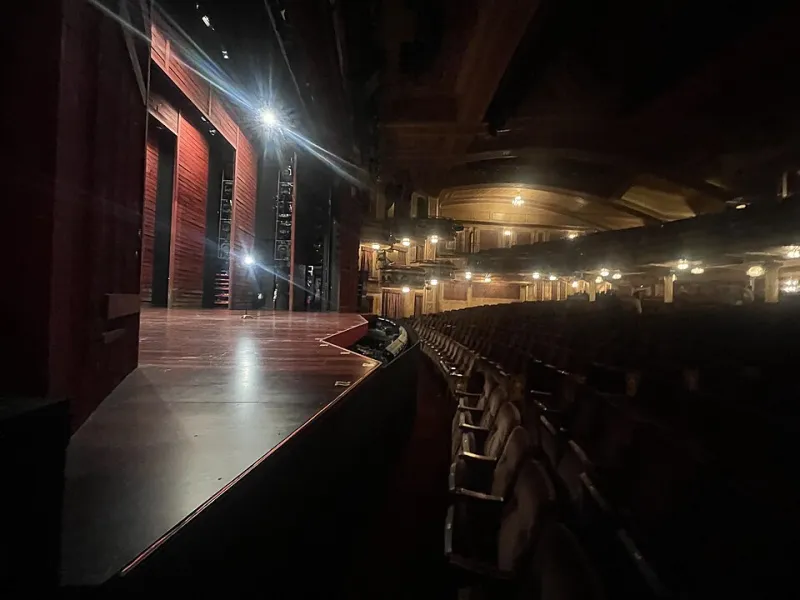
A single bare bulb on a metal stand, burning at the centre of an otherwise dark stage: the ghost light is one of British theatre’s most enduring rituals. This is an anatomy of that lamp — its practical origins, its folklore, and the stories told by the people who check it last thing at night.

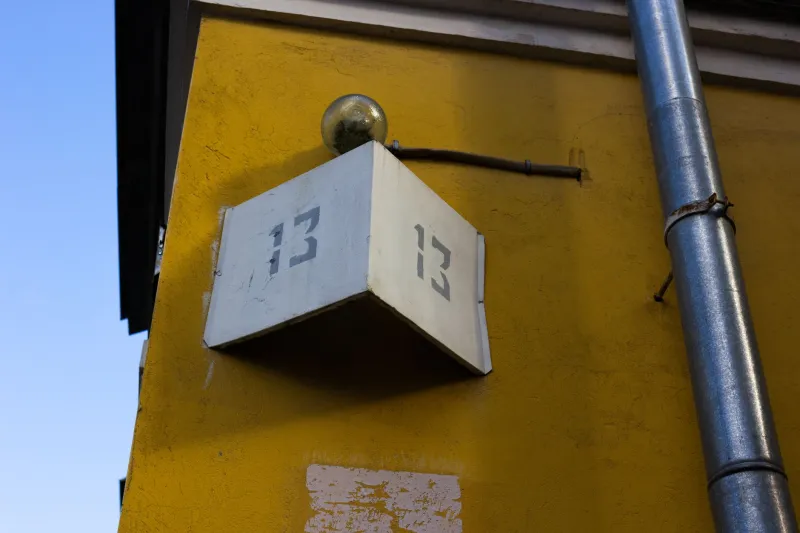
Counting Past the House: Britain’s Absent Number Thirteens
Folklore & Custom

Counting Past the House: Britain’s Absent Number Thirteens

A survey of the British street where the numbering runs twelve, fourteen, and leaves a silence between. The missing thirteenth address is sometimes a developer’s compromise, sometimes a council decision, and sometimes a small architectural ghost that residents learn to step around.

The Stamp, the Slip, the Silence: Britain’s Libraries and the Readers Who Never Quite Returned
Literary Horror

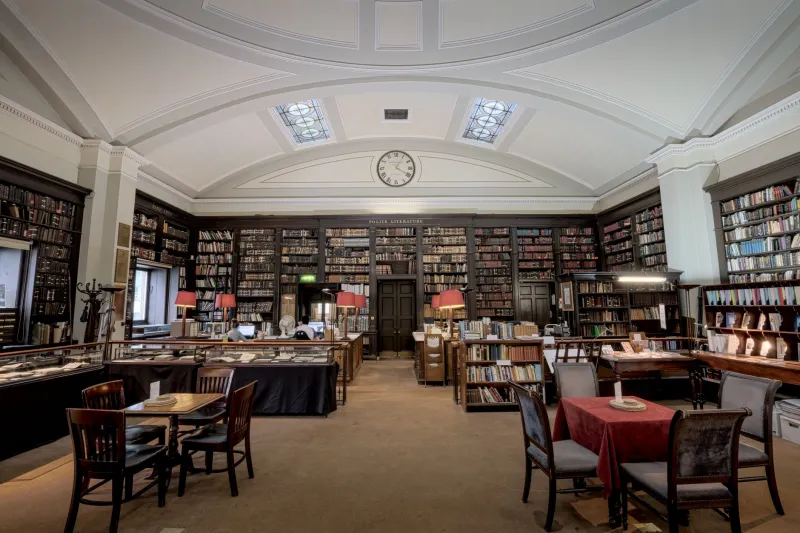
The Stamp, the Slip, the Silence: Britain’s Libraries and the Readers Who Never Quite Returned

An overdue book is not merely late; it is a small breach in the orderly contract between reader and institution. This essay considers the public library as a quietly haunted British space—its date stamps, reservation slips and pencilled margins carrying the residue of readers who have not quite left.

The Item Deferred: Village Halls, Parish Minutes and the Eerie Comfort of Procedure
Folklore & Custom

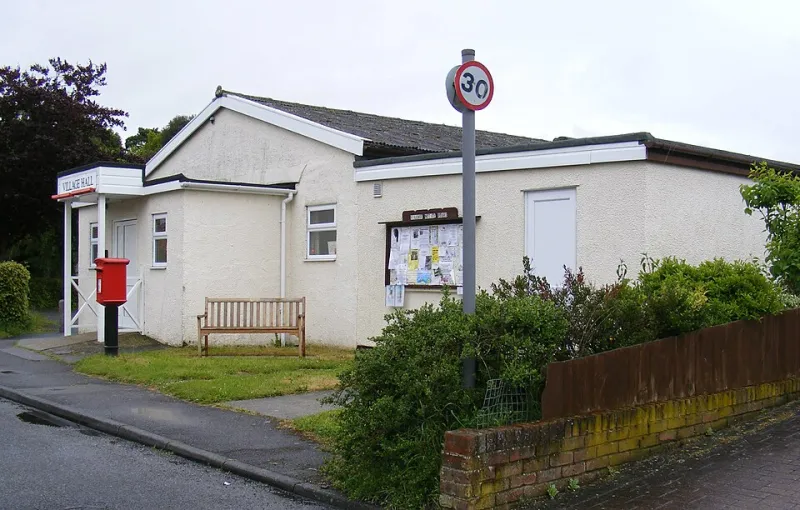
The Item Deferred: Village Halls, Parish Minutes and the Eerie Comfort of Procedure

The parish noticeboard is often treated as a harmless bulletin of jumble sales and defibrillator training. Yet its clipped agendas, apologies for absence and caretaker’s biro number form a paper trail unusually suited to the supernatural. This essay considers why the most bureaucratic corners of rural Britain make the uncanny feel not less plausible, but more.

Folklore & Custom

A Small Warm Threshold: The Airing Cupboard and the House That Keeps Its Silence

In British homes the airing cupboard is a small, warm room of towels, pipes and inherited silence. Its hum and heat have made it a quiet folkloric threshold between comfort and the unseen. This essay considers why the cupboard we never quite empty remains one of the house’s most persuasive haunted spaces.

Dial Tone for the Disconnected: Britain’s Red Kiosks and the Call That Will Not End
Literary Horror

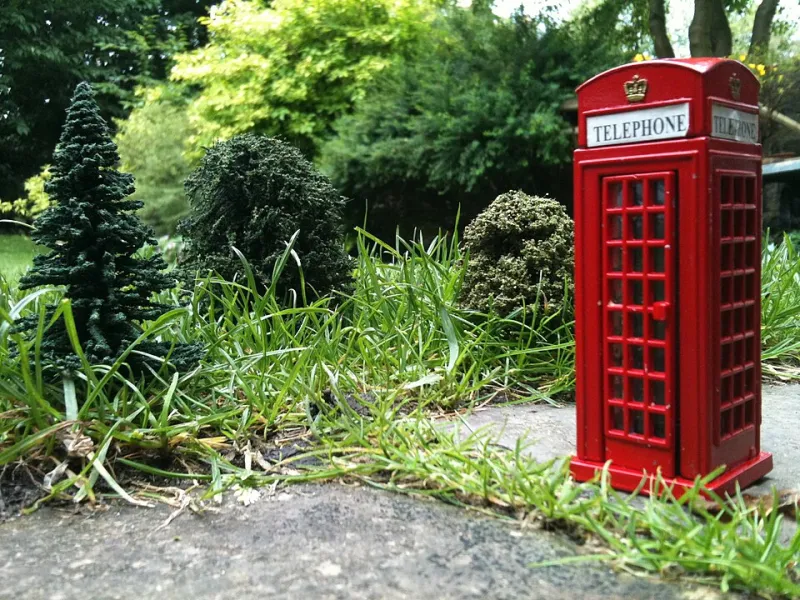
Dial Tone for the Disconnected: Britain’s Red Kiosks and the Call That Will Not End

The red telephone kiosk survives as library, defibrillator cabinet and village ornament, but its deeper afterlife is as a threshold between public utility and private dread. The box may be empty; the phone may still ring. This feature maps the uncanny lore of Britain’s disconnected kiosks and offers a fiction prompt for the last call.

A Timetable for the Unquiet: Riding Britain’s Night Buses After Midnight
Literary Horror

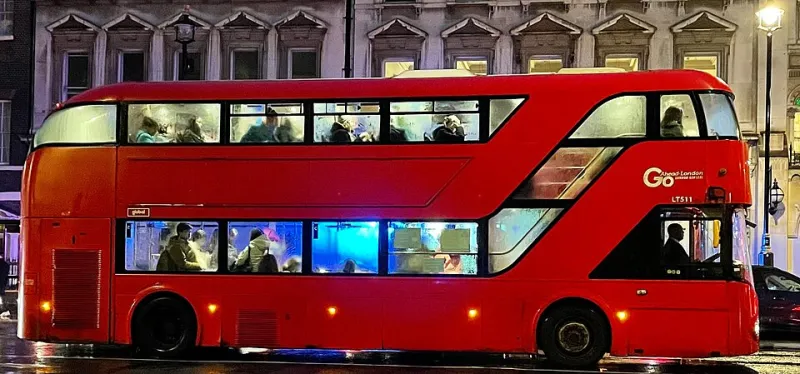
A Timetable for the Unquiet: Riding Britain’s Night Buses After Midnight

The night bus is a moving haunted house with a fare table. It has thresholds, corridors, a bell that summons attention and a driver who is not supposed to look back. Its horror is not gothic but procedural: the timetable promises that something will arrive, and the empty seat suggests that something already has.