The Waiting Room of Objects: Britain’s Lost Property Offices and the Quiet Rites of the Unclaimed
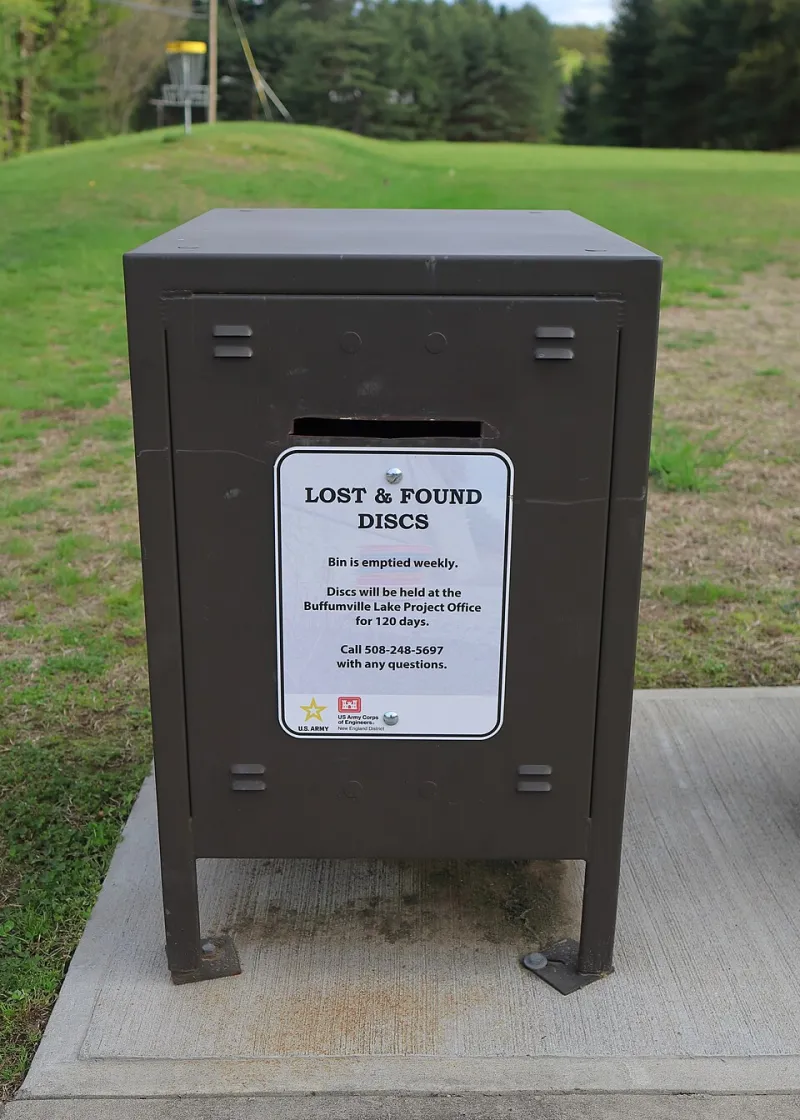
Photo: Peter Cooper Jr., CC0, via Wikimedia Commons
At the counter of a British transport lost property office, the ordinary business of the day is conducted with the solemnity of a small rite. A form is completed. A label is written. An umbrella, still furled, is carried into the back. The owner has not come. The object has.
These offices are not usually thought of as mysterious places. They belong to the same administrative world as timetables, ticket machines and customer service notices. Yet they hold a particular kind of unease, because they are among the few public rooms in Britain where absence is not merely noted but administered. A lost property office is an archive of people who are not there.
The Counter as Threshold
The railway lost property office is an old idea, and it has the atmosphere of an old idea. Forms, shelves, polythene bags, a number of pens attached to lengths of string: the furniture of return. Transport for London’s lost property office at Baker Street is perhaps the best-known example, but the same quiet transaction takes place across the country, in bus garages, station offices and depots. A passenger reports an item missing; a clerk asks when, where, what colour, what distinguishing marks. Description becomes a kind of invocation. The object is sought by the words used to describe it.
The counter is a threshold. On one side is the travelling public, hurried and forgetful. On the other is a hinterland of unclaimed things. Between them stands a member of staff whose task is not to explain the strangeness of the situation but to process it. The paperwork does not ask why a person should lose a single shoe, or a child’s coat, or a set of keys. It asks only for the details that might permit a match. In this, the lost property office resembles other British institutions that manage the uncanny by refusing to be impressed by it. The ghost is registered. The form is filed.
An Archive of Absence
The shelves themselves are a catalogue of ordinary human distraction. Umbrellas are common enough to seem almost communal. Single gloves arrive without their partners, and one assumes the other is at home, or in a pocket, or in another city entirely. Spectacles, phone chargers, scarves, hats, keys, books, teddy bears and the occasional surprising object all pass through the same system. Each item is evidence of a moment when a person’s attention slipped. Collectively, they form a portrait of the travelling public that no survey could produce.
It is tempting to call such objects haunted, but that is not quite right. A lost glove is not a ghost. It is a fact. Its eeriness lies in its patience. It waits in a labelled bag while its owner continues a life that no longer includes it. The object does not know that it has been lost. It only knows, if an object may be said to know anything, that it is no longer where it was. The office supplies the missing context: a number, a date, a shelf, a retention period.
Reports of more personal items surface from time to time: a wedding ring, a child’s toy, an urn of ashes left on a train. The urn is the sort of detail that passes into local anecdote, and it is not hard to see why. An urn is not merely property; it is a person in a different form. For an office to treat it as lost property is to perform the secular version of a séance. The object is present. The person is not. Procedure holds the space between them.
The Afterlife of Things
Lost property is not kept indefinitely. Retention periods vary by operator, and after a set time unclaimed items may be sold, donated or otherwise disposed of. The shelf is therefore not eternal. It is purgatorial with a calendar. An umbrella may wait a few weeks; a more valuable item may wait longer; but eventually the office must decide what to do with the things no one has claimed. The afterlife of an object is settled by policy rather than providence.
This is where the quiet eeriness becomes most pronounced. A teddy bear enters the office as a lost thing and leaves, perhaps, as stock. A suitcase becomes merchandise. The transformation is not sinister, but it is strange. The object has been separated from its story, and the story has been closed by administration. The office does not mourn the loss. It manages it. In doing so, it performs a service that is both practical and, in its way, metaphysical: it gives absence a place to wait.
The Moral of the Shelf
Britain has a long literary attraction to the unnoticed and the overlooked. The lost property office belongs to that tradition, though it would never describe itself in such terms. It is not haunted in the conventional sense. It is a place where the ordinary machinery of return fails, and where the failure is catalogued. The shelves do not whisper. The labels do not move. But the room is full of people who are not there, and of objects that have outlasted their owners’ attention.
The next time you see a single glove on a station bench, consider where it might end up. Not in a ghost story, perhaps, but in a bag with a number on it, on a shelf in a room where the ordinary business of loss is conducted with patience and a form. The lost property office is a secular séance, and its congregation is made of things.